Information Hygiene in Wartime: Why Expert Reputation Can Mask Manipulation
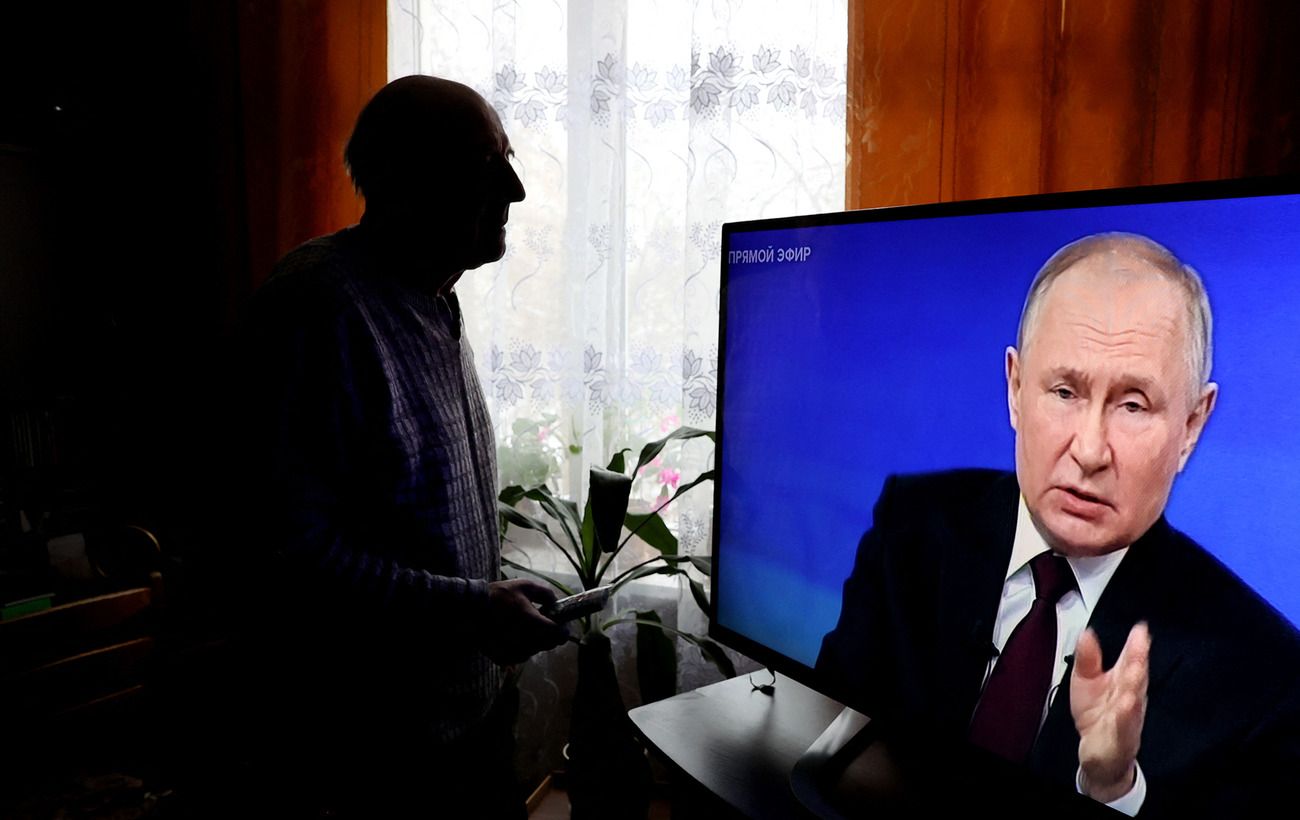
An analysis of media spaces highlights the risks of uncritically accepting narratives from speakers with impeccable anti-Putin backgrounds.
 👥Society
Photo: RBC-Ukraine
Key points
- Risks of uncritical trust in prominent commentators
- Pro-Russian narratives masked by anti-Kremlin conclusions
- Importance of media literacy for local communities
The Ukrainian and European information spaces frequently rely on commentators with dissident or human rights backgrounds to analyze ongoing geopolitical conflicts. However, an anti-Putin reputation does not automatically guarantee total analytical objectivity. When trusted public figures present their assessments, audiences tend to bypass standard fact-checking, allowing subtle manipulations to slip through unnoticed.
The Danger of Imperial Framing Disguised as Critique
Such speakers may openly condemn the Kremlin while simultaneously describing regional conflicts through a pro-Russian conceptual framework. Assertions suggesting that certain territories historically belonged elsewhere or that the war was merely the result of diplomatic failures are often framed as pragmatic common sense. Although the speaker's ultimate conclusions remain anti-Kremlin, the underlying assumptions mirror imperial narratives.
For local communities and citizens, developing strong media literacy is essential for navigating wartime information flows. Recognizing how subtle biases operate within expert commentary helps audiences maintain critical awareness and resist underlying psychological manipulation during times of crisis.
Source RBC-Ukraine — rbc.ua/ukr/news/chomu-prorosiyski-tezi-naynebezpechnishe-1795173013… ↗
Read next
 🏙️City
Car color as a reflection of personality: what experts say
Experts in color science have analyzed how the color of a vehicle can reflect a driver's personality traits and life priorities.
 🎭Culture & Sport
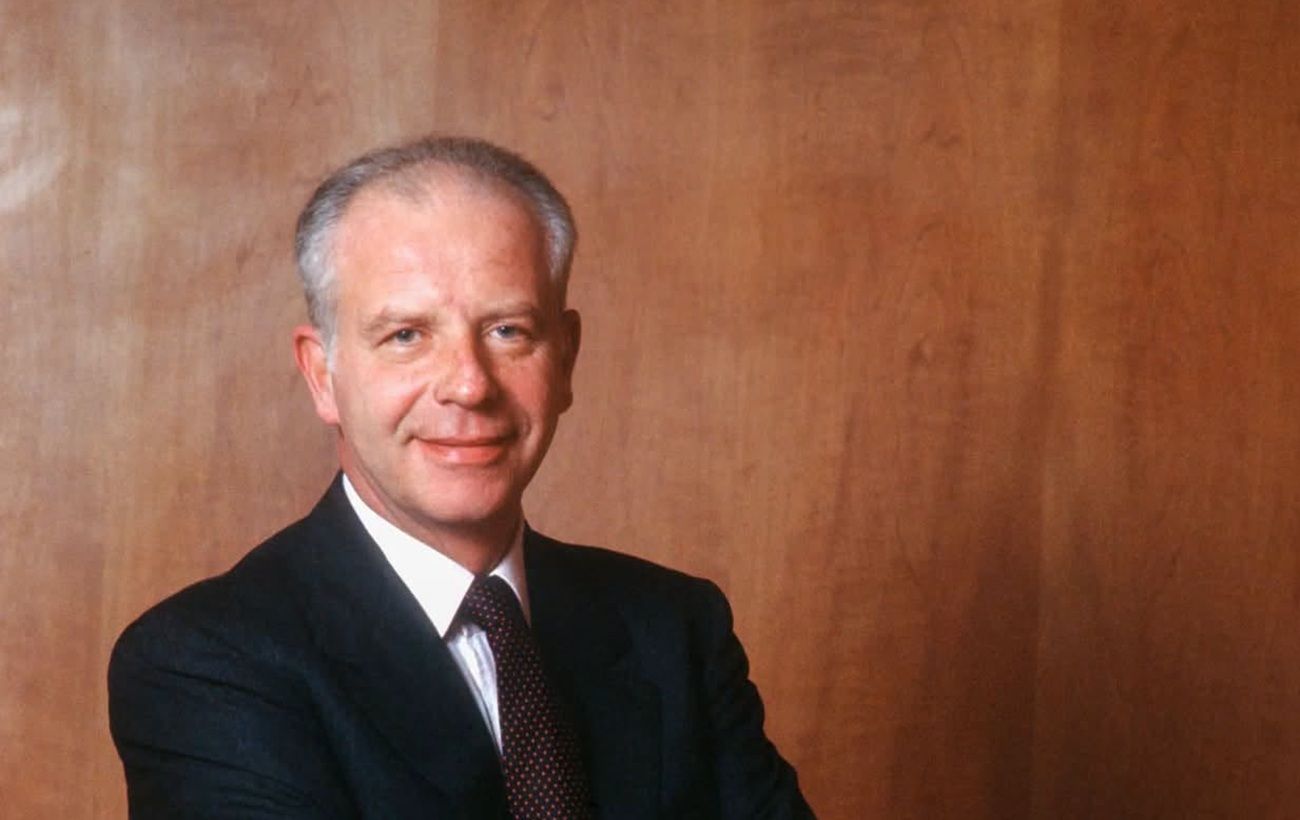
Paolo Bulgari passes away: the legacy of a legendary jeweler
Paolo Bulgari, the long-time head of the iconic jewelry house and grandson of its founder, has died in Rome at the age of 89.
 🏙️City
Airspace security debate: reaction to the incident with Russian missiles in Poland
Polish commentator Paweł Rybicki accused Ukraine of intentionally failing to intercept missiles heading toward Poland, despite the clear shortage of air defense systems.
 ⚽Sport
Historic Triumph: Karpaty Defeat Zorya for the First Time in UPL
Lviv's Karpaty secured their first-ever victory against Zorya Luhansk in the Ukrainian Premier League, ending an 18-match winless streak.
 🛡️Security
Moldova's airspace violated again by Russian drone
On Saturday, November 21, a jet-powered UAV violated Moldovan airspace twice during a Russian attack on Ukraine.
 🛡️Security
Continuity of Struggle: How Yevhen Konovalets' Ideas Unite Generations of Ukrainian Defenders
The story of three generations of Ukrainian fighters through the lens of the Third Army Corps' activities and the commemoration of Colonel Yevhen Konovalets.