The History and Traditions of New Year: Why We Celebrate on January 1
We explore the historical origins of the January 1 date and how the calendar has evolved over the centuries.
 👥Society
Photo: TSN
Key points
- January 1 became the New Year date thanks to Julius Caesar's reforms.
- The Gregorian calendar unified timekeeping in 1582.
- Different nations have unique traditions: from grapes in Spain to bells in Japan.
From Ancient Rituals to the Modern Calendar
The tradition of celebrating the beginning of the new year on January 1 has not always been a constant for humanity. Historically, different nations linked this event to the spring equinox, river floods, or other natural cycles. For instance, in Ancient Babylon, the celebration lasted 11 days, while in Egypt, it was based on the flooding of the Nile.
The modern date was solidified thanks to the reforms of Julius Caesar, who introduced the Julian calendar in 46 BC. The name of the first month of the year comes from the Roman god Janus, who symbolized transitions and looking both into the past and the future.
Evolution of Time and Global Customs
In the Middle Ages, European countries had different dates for the beginning of the year, which caused confusion. Unification occurred only after the introduction of the Gregorian calendar by Pope Gregory XIII in 1582, which gradually became the global standard.
Today, every culture maintains unique customs for welcoming the holiday:
- In Spain, it is customary to eat 12 grapes as the clock strikes midnight.
- In Italy, lentils are served on the table, symbolizing future prosperity.
- In Japan, Buddhist temples ring bells 108 times to cleanse from passions.
- The Scots follow the "first-footing" tradition, where the first guest after midnight determines the year's success.
Source TSN — tsn.ua/tsikavinki/koly-sviatkuiut-novyy-rik-chomu-data-prypadaye-na-1-s… ↗
Read next
 💼Economy
Ukrainian agricultural sector faces bankruptcy risks amid logistics hurdles and financing deficit
Domestic farmers have depleted their financial reserves due to infrastructure attacks, export bottlenecks, and tightening credit conditions.
 🏛️Politics
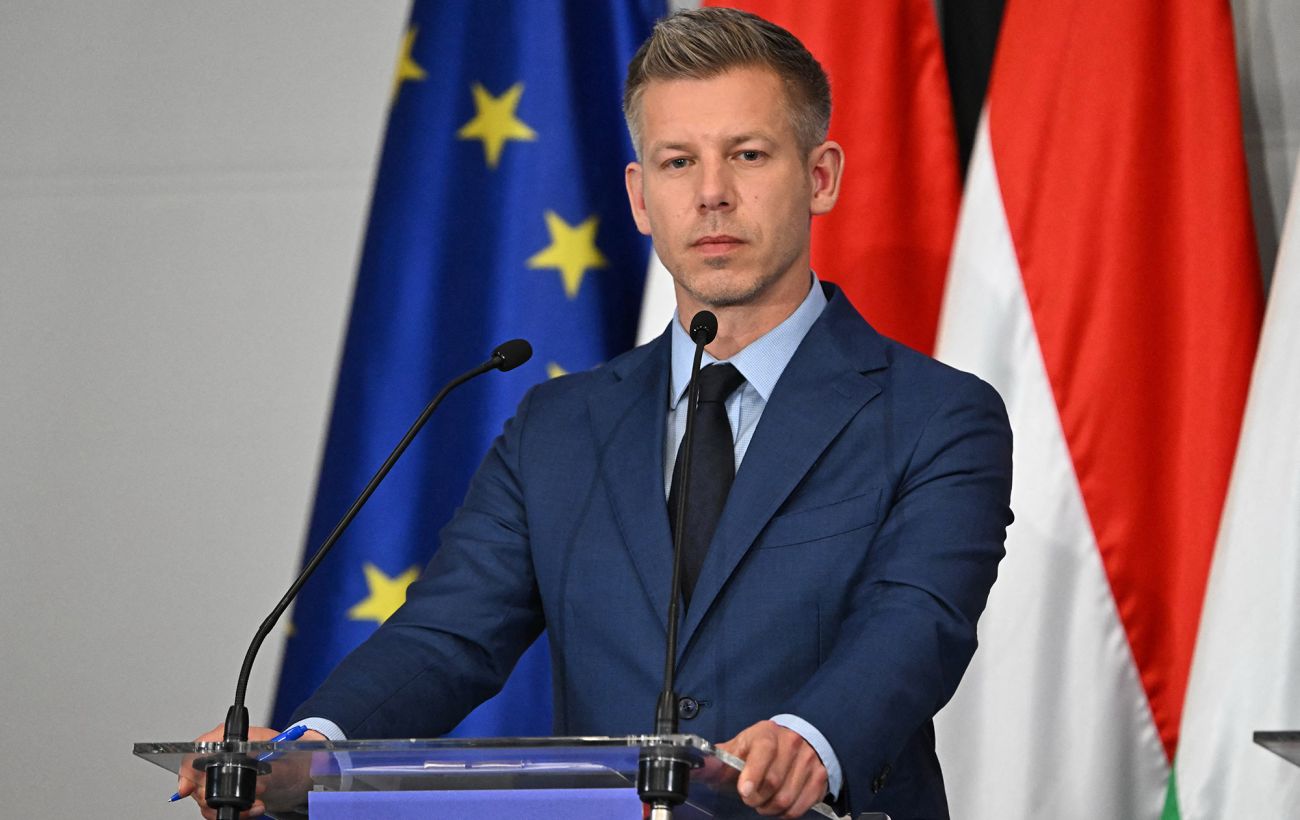
Hungarian Prime Minister Péter Magyar Calls Russia an Aggressor and Announces Transcarpathia Visit
Hungarian Prime Minister Péter Magyar publicly designated Russia as an aggressor in the war against Ukraine and announced plans to visit the Transcarpathia region.
 🇺🇦Ukraine
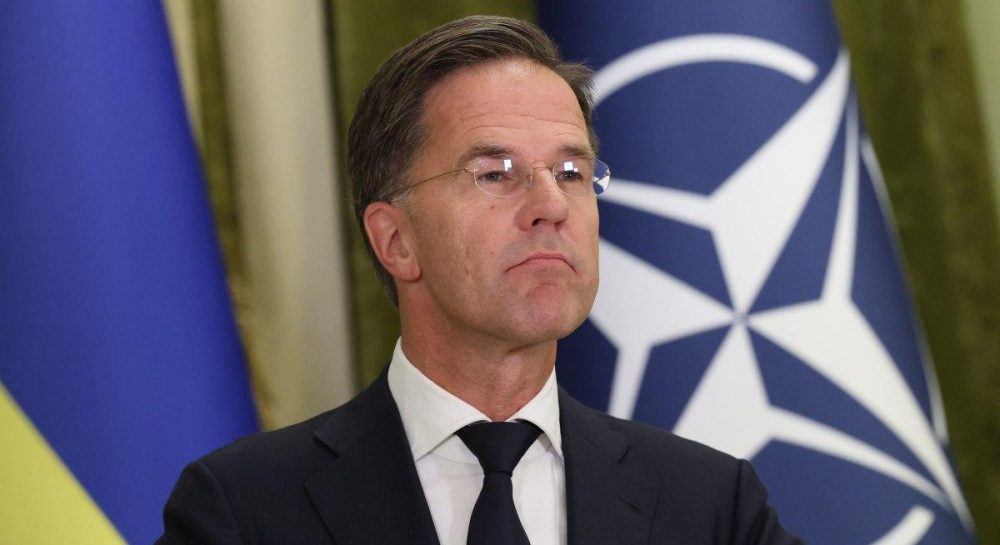
Mark Rutte: No consensus yet on Ukraine's NATO membership
NATO Secretary General Mark Rutte stated that there is currently no unanimity among Alliance member states regarding Ukraine's accession.
 ⚽Sport
ATP Finals Review: Alcaraz Dominance and Rising Stars
The conclusion of the ATP Finals highlights Carlos Alcaraz's undisputed leadership in men's tennis and the promise of new talents.
 🛡️Security
New Vulnerabilities in Russian Logistics: Incidents in Libya and the Baltic Region
A series of incidents involving Russian vessels in Benghazi and the Gulf of Finland highlights the growing fragility of Moscow's naval supply lines abroad.
 🛡️Security
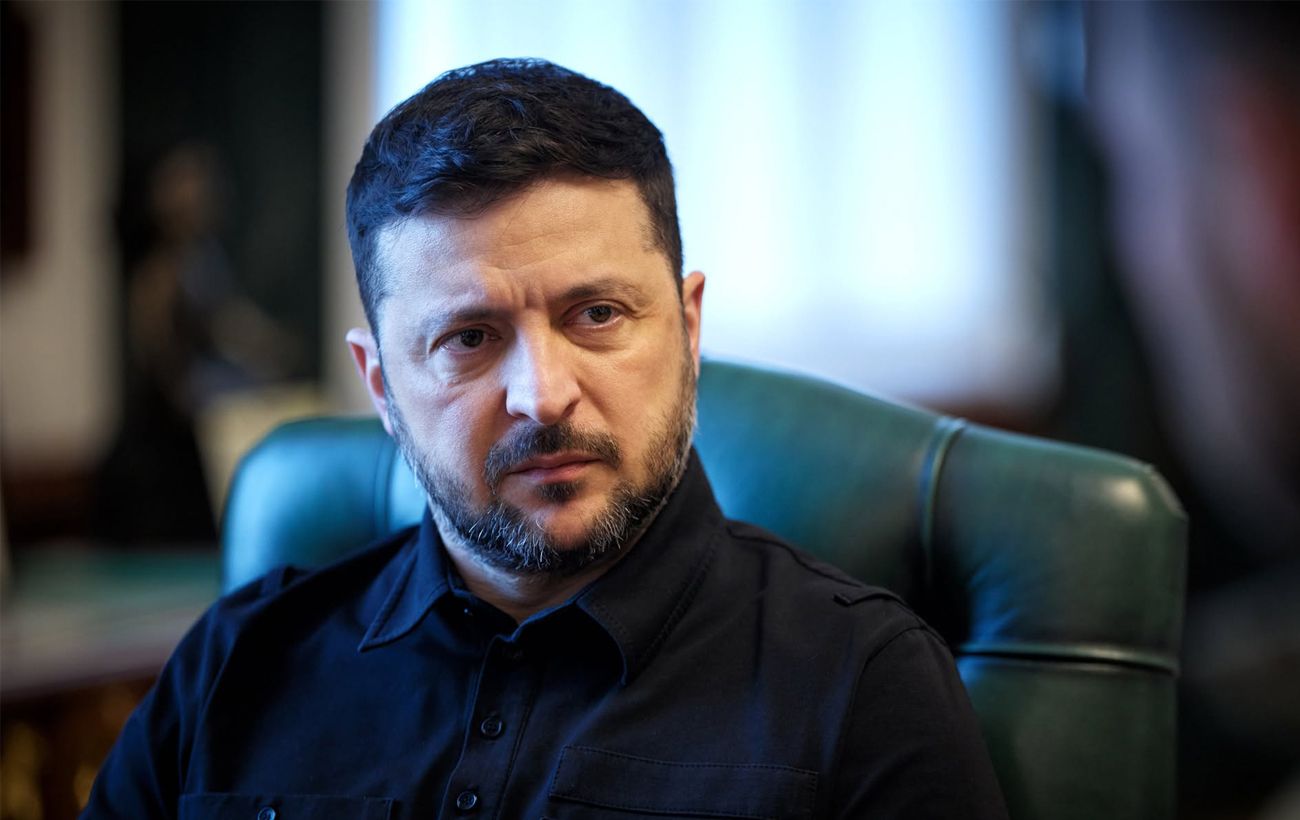
Zelenskyy says HUR reported on updated Russian strike plans and sets tasks for military
President Volodymyr Zelenskyy announced that Ukraine's military intelligence (HUR) has reported on updated Russian strike plans, and corresponding tasks have been assigne…