Geneva Talks Collapse: Why the World Failed to Agree on Rules for 'Killer Robots'
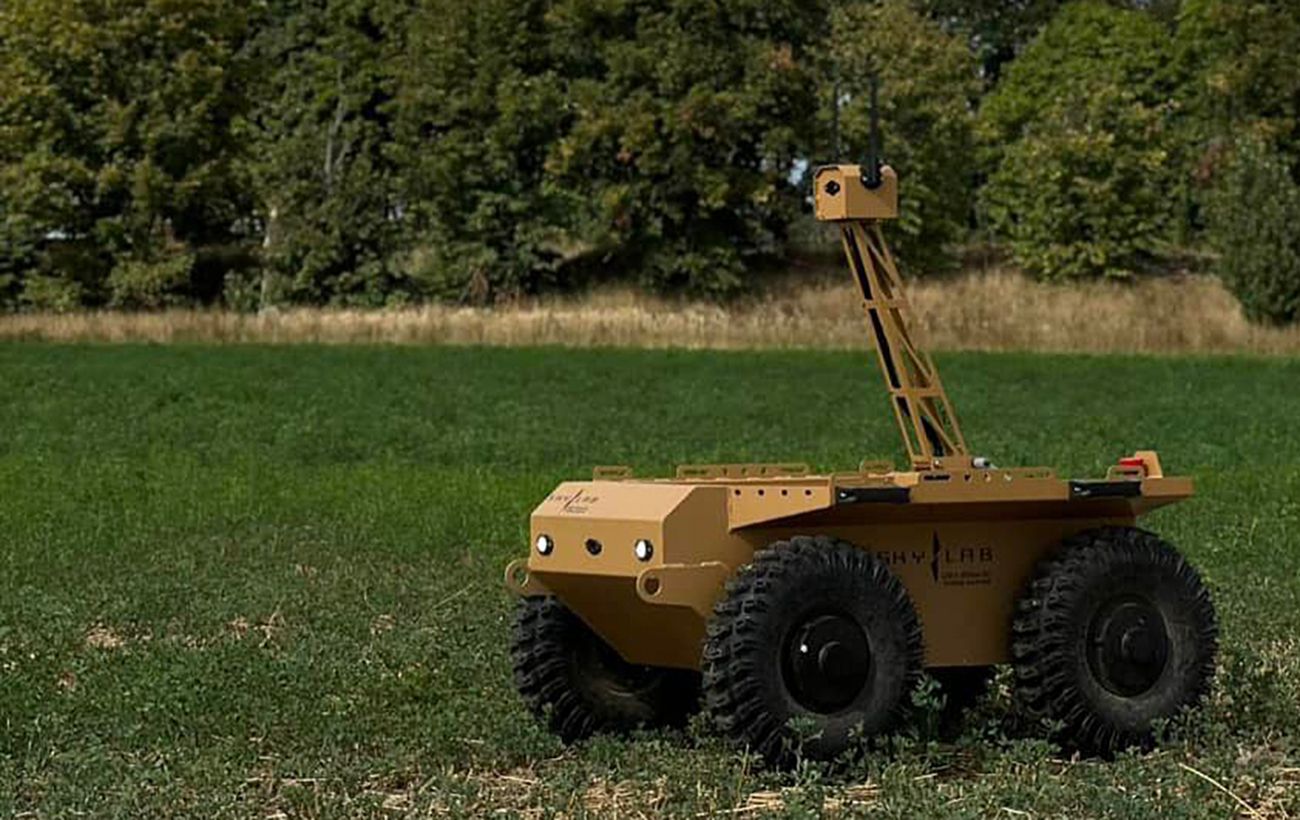
UN negotiations in Geneva on a legally binding treaty regarding autonomous weapons failed due to opposition from Russia and other nations.
 💼Economy
Photo: RBC-Ukraine
Key points
- Geneva negotiations on autonomous weapons failed to reach a binding agreement.
- Russia and other nations blocked the push for a legally binding treaty.
- Over 100 countries urged strict regulatory frameworks for military AI.
A week-long conference of participants in the UN Convention on Certain Conventional Weapons (CCW) in Geneva has concluded without result for proponents of strict oversight over military artificial intelligence. Negotiations on a mandate to draft a legally binding document collapsed due to objections and procedural delays by the Russian delegation, alongside reluctance from other technologically advanced nations to accept stringent obligations.
Opposition to New Regulations
Despite more than a hundred states advocating for a new mandatory treaty to address the unique threats posed by autonomous combat systems, the CCW consensus requirement allowed these initiatives to be blocked. Alongside Russia, which diplomats noted acted in bad faith, countries such as the US, UK, France, Germany, Japan, and South Korea refrained from supporting legally binding norms, favoring softer, non-binding agreements and arguing that existing international humanitarian law is sufficient.
Broader Implications
For local communities and regions closely monitoring technological shifts, this global stalemate highlights the growing challenge of regulating battlefield automation. The rapid integration of artificial intelligence into military systems reshapes security standards worldwide. The absence of international regulatory guardrails means that autonomous systems develop in a legal vacuum, which could ultimately alter global stability and future conflict dynamics.
Negotiators and human rights advocates stressed that autonomous weapon systems are already being deployed in practice, and the global community is lagging behind in establishing necessary regulatory frameworks. Because the Convention requires the consent of all 128 participants, the organization has failed to adopt a single new law regulating weapons in the past thirty years.
Source RBC-Ukraine — rbc.ua/ukr/news/rosiya-znyala-zaperechen-zhenevi-domovilisya-179542… ↗
Read next
 🎭Culture & Sport
New Species of Flying Frog with Unusual Reproductive Strategy Discovered in Indonesia
Scientists discovered a new species of bright green flying frogs on Sulawesi island that protect their offspring using a gelatinous mass.
 🧠AI Analysis
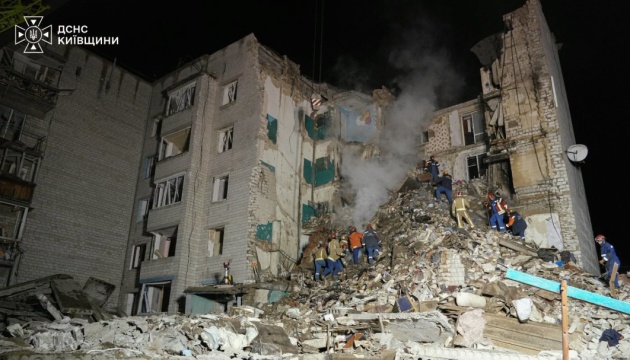
Search and rescue ends in Dymer after drone strike: death toll rises to 11
A Russian drone struck a five-story residential building in Dymer, Kyiv region, killing 11 people with two still missing. President Zelensky urged international partners …
 🛡️Security
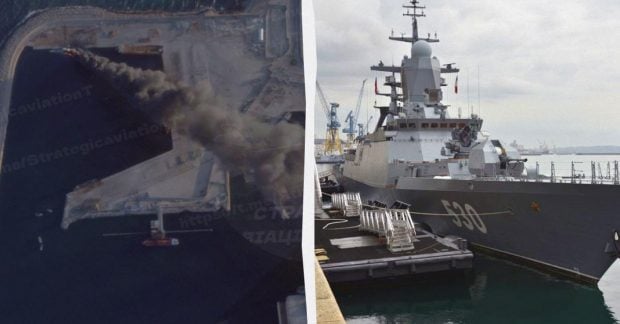
Destruction of Russian Corvette 'Merkuriy' Near Libya Hits Kremlin's African Ambitions — Navy
The recent sinking of Russia's advanced corvette 'Merkuriy' off the coast of Libya deals a significant blow to Moscow's logistical and military operations in the Mediterr…
 🚌Transport
Winter is coming: forecasters predict snowfalls and black ice for the coming days
Ukraine is facing a cold snap with snow and icy roads that will also affect regional transport routes.
 🛡️Security
Massive Attacks on Energy Infrastructure: One Hundred Strikes Recorded in a Week
Over the past week, Russian forces launched one hundred targeted attacks on Ukraine's energy facilities, with the most critical situation in the Odesa and Dnipropetrovsk …
 🛡️Security
Rescue of Julia the Dog After Dymer Strike: How Residents Look for Surviving Pets During the War
During a hostile drone attack on a five-story building in Dymer, Kyiv region, rescuers evacuated a man along with his dog Julia.